Global Flashpoints Intensify: Ukraine Frontlines, Gaza Crisis, and Indo-Pacific Tensions Dominate World Stage
Recent weeks have seen escalating military activity in Ukraine's Donetsk Oblast, intensified Israeli operations in Rafah amid stalled ceasefire talks, and significant People's Liberation Army naval exercises near Taiwan, reflecting a volatile global geopolitical landscape. These developments carry profound implications for international security, humanitarian aid, and global trade routes, demanding urgent diplomatic engagement.

Introduction: A World on Edge Amid Multiple Crises
The global geopolitical landscape remains highly volatile, marked by several interconnected crises that demand immediate attention from policymakers and the international community. In Eastern Europe, the conflict in Ukraine has entered a critical phase, with Russian forces making incremental but significant territorial gains in the Donetsk Oblast, particularly around Chasiv Yar, challenging Western resolve and military aid commitments. Concurrently, the Middle East is grappling with the deepening humanitarian catastrophe in the Gaza Strip, as the Israel Defense Forces (IDF) continue operations in Rafah, exacerbating civilian suffering and complicating stalled ceasefire negotiations facilitated by Egypt, Qatar, and the United States. Further east, tensions in the Indo-Pacific are acutely felt, following recent large-scale military drills by the People's Liberation Army (PLA) around Taiwan, signaling Beijing's unwavering stance on unification and prompting renewed calls for deterrence and dialogue from Washington and its allies. These simultaneous flashpoints underscore a fragile international order, where regional conflicts threaten broader destabilization and test the efficacy of multilateral institutions.
The implications of these developments are far-reaching. The situation in Ukraine directly impacts European security and the future of NATO's eastward expansion, influencing global energy markets and food security. The Gaza conflict risks wider regional conflagration, potentially drawing in non-state actors like Hezbollah in Lebanon and the Houthis in Yemen, with severe consequences for global shipping lanes in the Red Sea and broader stability in the Levant. Meanwhile, the strategic competition between the United States and China over Taiwan and the South China Sea holds profound economic ramifications, particularly for the global semiconductor supply chain, and could redefine the balance of power in the 21st century. Understanding the intricate dynamics of each crisis, the motivations of key actors, and the potential for escalation is paramount for navigating this complex global environment.
Background: Decades of Tensions Culminating in Current Flashpoints
The current phase of the conflict in Ukraine traces its roots back to Russia's annexation of Crimea in March 2014 and its subsequent support for separatists in the Donbas region. This period followed Ukraine's Maidan Revolution, which saw the ousting of pro-Russian President Viktor Yanukovych. Despite the Minsk Agreements of 2014 and 2015, which aimed to establish a ceasefire and political settlement, large-scale fighting persisted. The full-scale invasion launched by President Vladimir Putin on February 24, 2022, dramatically escalated the conflict, transforming it into the largest conventional war in Europe since World War II and fundamentally altering the continent's security architecture. Western nations, led by the United States and the European Union, responded with unprecedented sanctions and military aid to Kyiv, but the frontline remains highly contested, with Russia now exploiting perceived weaknesses in Ukrainian defenses and Western supply chains.
In the Middle East, the Israeli-Palestinian conflict has endured for over seven decades, marked by cycles of violence and failed peace initiatives. The most recent escalation began on October 7, 2023, when Hamas launched a surprise attack on southern Israel, resulting in approximately 1,200 deaths and over 250 hostages taken. Israel's retaliatory military operation in the Gaza Strip, aimed at dismantling Hamas's capabilities and securing the release of hostages, has led to a devastating humanitarian crisis, with the United Nations Office for the Coordination of Humanitarian Affairs (OCHA) reporting widespread displacement and critical shortages of food, water, and medical supplies. The ongoing operations in Rafah, a city in southern Gaza where over a million displaced Palestinians had sought refuge, represent a critical and highly controversial phase of this conflict, drawing strong international condemnation.
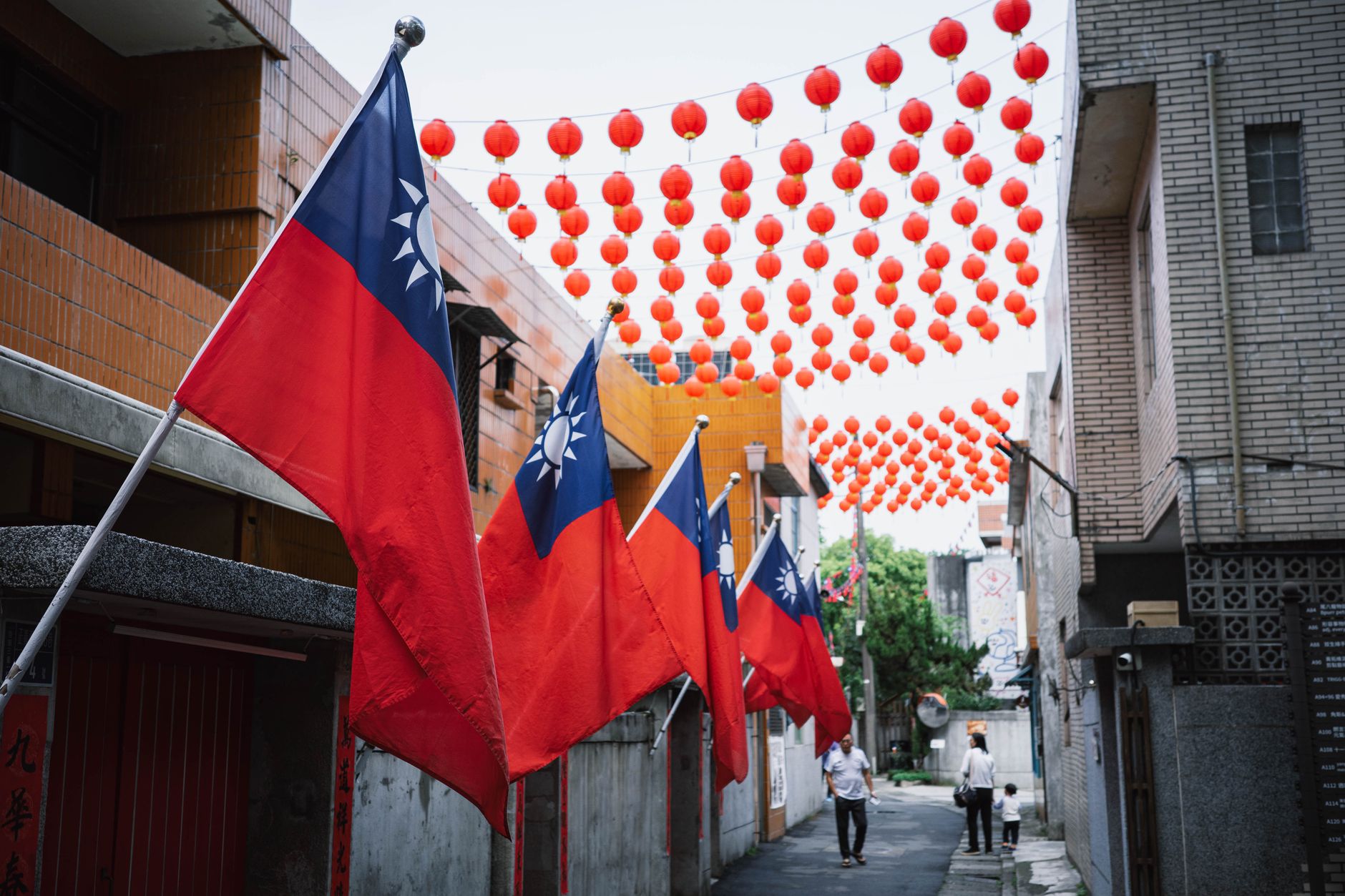
Tensions surrounding Taiwan, a self-governing democracy that Beijing views as a renegade province, have simmered since the Chinese Civil War concluded in 1949. The United States officially recognized the People's Republic of China in 1979 but maintains robust unofficial relations with Taiwan under the Taiwan Relations Act, providing defensive weaponry. China's increasing military modernization and assertive posture in the South China Sea, including the construction of artificial islands and deployment of military assets, have heightened concerns. The recent PLA exercises, often framed as responses to perceived provocations like visits by foreign dignitaries or arms sales, are a direct manifestation of Beijing's 'One China' principle and its stated intent to achieve unification, by force if necessary. This dynamic has transformed the Taiwan Strait into one of the world's most dangerous potential flashpoints, with global implications for trade and technological leadership.

Key Players: A Complex Web of State and Non-State Actors
In the Ukrainian conflict, the primary combatants are the Armed Forces of Ukraine, led by President Volodymyr Zelenskyy and Commander-in-Chief Oleksandr Syrskyi, and the Armed Forces of the Russian Federation, under President Vladimir Putin. Key international supporters of Ukraine include the United States, which has provided billions in military aid through packages like the recent Bipartisan Security Supplemental Appropriations Act of 2024, and the European Union, whose member states like Germany and France have significantly increased defense spending and arms deliveries. NATO, under Secretary General Jens Stoltenberg, plays a crucial role in coordinating Western support and reinforcing its eastern flank, though it avoids direct military intervention. The Russian Federation also leverages partners like Belarus, which hosts Russian troops and equipment, and has reportedly received military support from countries like North Korea, as observed by UN monitoring groups.
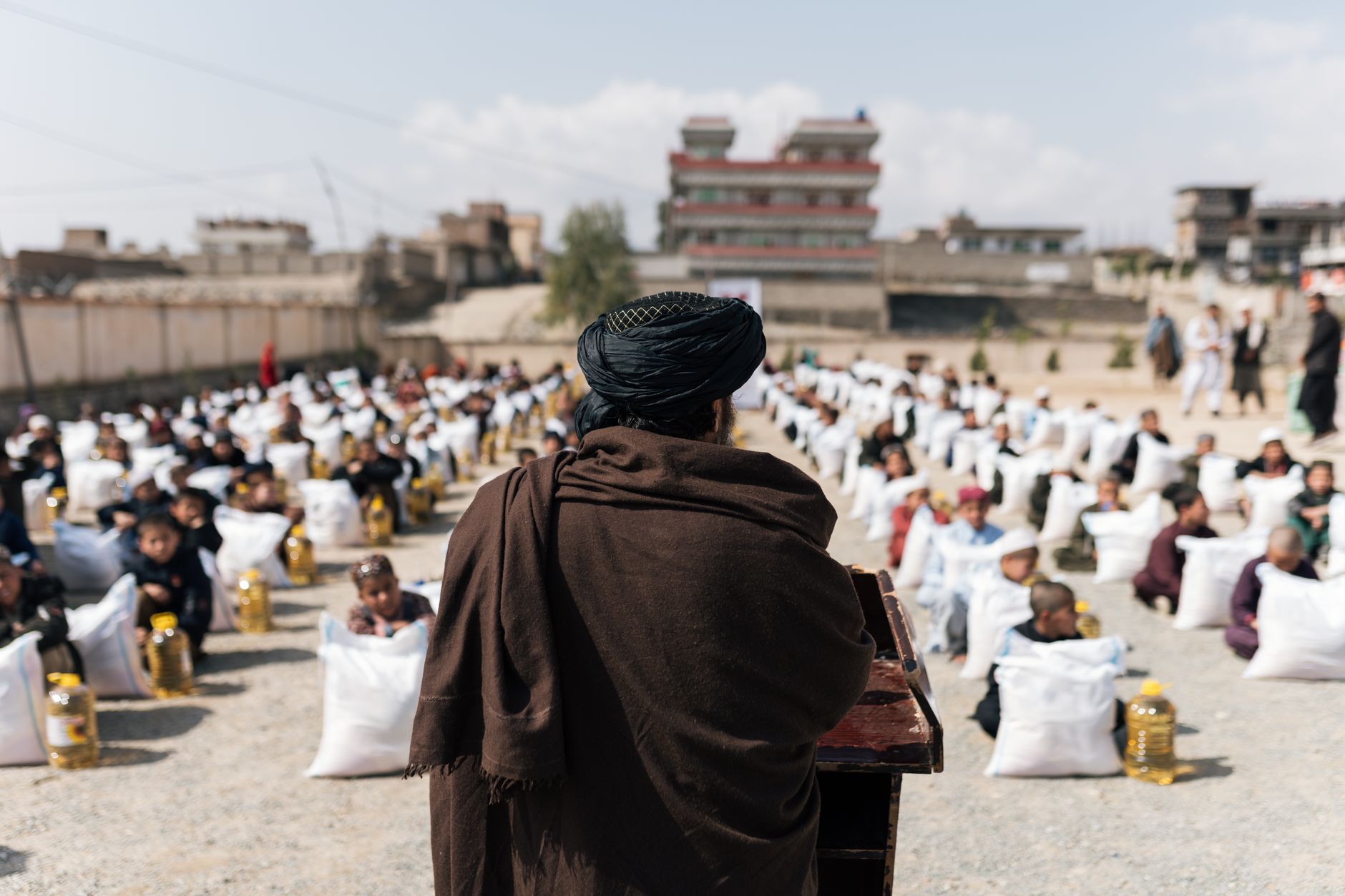
The Gaza conflict involves the Israel Defense Forces (IDF), commanded by Chief of Staff Herzi Halevi, acting under the political leadership of Prime Minister Benjamin Netanyahu and his war cabinet. Opposing them is Hamas, the Islamist militant group that governs Gaza, whose military wing, the Izz ad-Din al-Qassam Brigades, is led by figures like Mohammed Deif. Regional mediators include Egypt, led by President Abdel Fattah el-Sisi, which shares a border with Gaza and plays a critical role in humanitarian aid delivery and ceasefire talks, and Qatar, a key financial backer of Gaza and host to Hamas's political leadership. The United States, under President Joe Biden, provides substantial military aid to Israel and actively engages in diplomatic efforts to secure a ceasefire and hostage release, often through Secretary of State Antony Blinken. Other notable actors include the United Nations Relief and Works Agency for Palestine Refugees in the Near East (UNRWA), which is central to humanitarian operations in Gaza, and regional non-state actors like Hezbollah in Lebanon and the Houthis in Yemen, who have engaged in cross-border attacks and Red Sea shipping disruptions, respectively, in solidarity with Palestinians.
The Indo-Pacific theater is dominated by the strategic rivalry between the United States, whose Indo-Pacific Command (INDOPACOM) under Admiral John C. Aquilino oversees substantial naval and air assets, and the People's Republic of China, with President Xi Jinping as Commander-in-Chief of the People's Liberation Army (PLA). The PLA Navy, Air Force, and Rocket Force regularly conduct exercises near Taiwan. Taiwan, led by President Lai Ching-te, maintains its own well-equipped armed forces and seeks to bolster its defensive capabilities with international support. Key regional allies of the U.S. include Japan, under Prime Minister Fumio Kishida, and Australia, under Prime Minister Anthony Albanese, both of whom have expressed concerns over stability in the Taiwan Strait and participate in joint military drills. The Philippines, under President Ferdinand Marcos Jr., is also a crucial player due to its geographical proximity to disputed areas in the South China Sea and its enhanced defense cooperation with the U.S. through agreements like the Enhanced Defense Cooperation Agreement (EDCA).
Analysis: Divergent Agendas and International Positions
In Ukraine, Russia's strategic objective remains the demilitarization and 'denazification' of Ukraine, which Moscow interprets as regime change and the prevention of Ukraine's integration into Western alliances. President Putin consistently frames the conflict as a defense against NATO expansion, rejecting Ukraine's sovereignty over annexed territories. Kyiv, conversely, views the war as an existential struggle for national survival and territorial integrity, demanding the full withdrawal of Russian forces from all Ukrainian territories, including Crimea and the Donbas. Western nations, led by the G7, maintain a unified stance against Russian aggression, imposing extensive sanctions and providing military, financial, and humanitarian aid to Ukraine. However, debates persist within the European Union and the United States regarding the pace and scale of aid, with some voices advocating for more robust military support and others emphasizing diplomatic solutions, albeit from a position of strength.
Regarding Gaza, Israel's declared objectives are the complete eradication of Hamas's military and governance capabilities and the safe return of all hostages. Prime Minister Netanyahu has repeatedly stated that military pressure is essential to achieve these goals and that no permanent ceasefire can occur until Hamas is dismantled. Hamas, for its part, demands a permanent ceasefire, the full withdrawal of Israeli forces from Gaza, the return of displaced Palestinians, and the release of Palestinian prisoners from Israeli jails, often framing its actions as resistance against occupation. The United States, while affirming Israel's right to self-defense, has increasingly pressured Jerusalem to minimize civilian casualties and improve humanitarian access, particularly as the Rafah operation unfolds. European nations, including France and Spain, have called for an immediate and unconditional ceasefire, recognizing a Palestinian state, and have been vocal in their criticism of the humanitarian situation. The United Nations Security Council has passed resolutions calling for humanitarian pauses and access, though implementation remains challenging amidst ongoing hostilities.
In the Indo-Pacific, China's official position, articulated by President Xi Jinping, is that Taiwan is an inalienable part of China and that unification is inevitable, with the 'One China, Two Systems' framework as the preferred but not exclusive method. Beijing views any foreign engagement with Taiwan's government as an infringement on its sovereignty. Taiwan's President Lai Ching-te and the Democratic Progressive Party (DPP) staunchly uphold Taiwan's sovereign status and its democratic way of life, rejecting Beijing's claims and advocating for a peaceful resolution based on mutual respect. The United States adheres to its 'One China' policy but also maintains strategic ambiguity regarding military intervention in the event of a Chinese invasion, while simultaneously deepening unofficial ties and providing defensive arms to Taiwan. Japan and Australia, while acknowledging the 'One China' policy, have expressed grave concerns about the security implications of any forceful change to the status quo in the Taiwan Strait, emphasizing the importance of peace and stability for regional and global prosperity.
Possible Scenarios: Trajectories of Conflict and Diplomacy
For Ukraine, one plausible scenario involves a continued war of attrition, with Russia making slow but steady advances in the Donbas, particularly targeting key logistics hubs like Pokrovsk, while Ukraine seeks to consolidate its defensive lines and rebuild its forces with incoming Western aid. This could lead to a prolonged stalemate, characterized by intense artillery duels and localized offensives, potentially extending into 2025. A more optimistic scenario for Kyiv involves a significant increase in Western military assistance, including long-range precision missiles like ATACMS and F-16 fighter jets, enabling Ukraine to stabilize the front and potentially launch counter-offensives later in the year. Conversely, a scenario of declining Western support could see Russia consolidate its gains, potentially pushing further west towards the Dnieper River, increasing pressure on Ukraine to negotiate from a weaker position. Peace talks remain unlikely without a significant shift in military momentum or a fundamental change in the negotiating positions of Moscow and Kyiv.
In Gaza, the immediate future hinges on the outcome of the Rafah operation and ongoing ceasefire negotiations. One scenario sees Israel completing its stated objectives in Rafah, potentially leading to a temporary ceasefire for hostage exchange and humanitarian aid delivery, followed by a phased withdrawal and an international effort to establish a transitional governance structure for Gaza. Another scenario, more pessimistic, involves the Rafah operation escalating into widespread urban warfare, causing further mass casualties and displacement, and leading to the complete collapse of humanitarian operations. This could trigger severe regional blowback, potentially drawing in Hezbollah into a full-scale conflict with Israel and further destabilizing the Red Sea with increased Houthi attacks on commercial shipping. A breakthrough in Cairo talks, possibly involving significant concessions from both Israel and Hamas under robust U.S. and Qatari pressure, could lead to a multi-stage truce, but such an outcome faces immense political hurdles on both sides.
The Taiwan Strait presents several critical scenarios. One involves continued 'grey-zone' tactics by the PLA, including increased naval and air incursions into Taiwan's Air Defense Identification Zone (ADIZ) and regular large-scale exercises like 'Joint Sword' around the island, without direct kinetic conflict. This strategy aims to gradually erode Taiwan's morale and international support, while testing its defensive responses. A more concerning scenario entails a significant escalation of these military pressures, possibly involving a naval blockade or missile drills over Taiwan, designed to intimidate and coerce. While a full-scale amphibious invasion remains a highly complex and risky undertaking for Beijing, any miscalculation or perceived provocation could trigger a rapid escalation. Conversely, sustained diplomatic engagement, coupled with enhanced deterrence capabilities for Taiwan and its allies, could maintain the delicate status quo, fostering a period of cautious stability, though underlying tensions would persist. The upcoming U.S. presidential election could also significantly influence the strategic calculus of all parties involved.
Risks and Impact: Far-Reaching Consequences for Global Stability
The continued conflict in Ukraine poses severe risks to European security. The potential for Russia to achieve significant territorial gains or to target NATO supply lines could lead to direct confrontation between NATO and Russian forces, a catastrophic scenario. Economically, the war continues to disrupt global energy markets, particularly for natural gas, and exacerbates food insecurity due to disruptions in grain exports from the Black Sea, disproportionately affecting vulnerable nations in Africa and the Middle East. The humanitarian cost is staggering, with millions of Ukrainians displaced internally and across Europe, placing immense strain on host countries and international aid organizations. The long-term reconstruction of Ukraine, estimated by the World Bank to be hundreds of billions of dollars, will be a monumental challenge requiring sustained international commitment.
The Gaza crisis carries profound humanitarian and regional risks. The ongoing IDF operations in Rafah, a city densely populated with displaced persons, risk a catastrophic loss of civilian life and could push the already fragile humanitarian situation beyond recovery, potentially leading to famine conditions as highlighted by UN agencies. Regionally, the conflict fuels anti-Israel sentiment and empowers militant groups, increasing the likelihood of broader escalation involving Hezbollah in Lebanon, which has already seen significant cross-border exchanges of fire with Israel. The Houthi attacks in the Red Sea, targeting commercial vessels, have already rerouted global shipping traffic away from the Suez Canal, increasing transit times and costs, impacting global supply chains and inflation. The erosion of international law and norms through prolonged conflict also undermines the credibility of global institutions and the prospects for future conflict resolution.
An escalation in the Taiwan Strait would have unprecedented global economic consequences. Taiwan is the dominant producer of advanced semiconductors, with Taiwan Semiconductor Manufacturing Company (TSMC) alone accounting for over 90% of the world's most advanced chips. Any disruption to this supply chain, whether through blockade or conflict, would paralyze industries worldwide, from automotive to consumer electronics and artificial intelligence, leading to a global economic recession far exceeding previous crises. Militarily, a conflict would likely involve the United States and its allies, potentially drawing in Japan and Australia, raising the specter of a major power war with devastating human and financial costs. The geopolitical impact would be a fundamental reordering of the global power balance, potentially ushering in a new era of great power competition and regional instability across the Indo-Pacific, affecting global trade routes and diplomatic alignments for decades to come.
Conclusion: Navigating a Perilous Global Landscape
The confluence of intensified conflict in Ukraine, the deepening humanitarian crisis in Gaza, and rising military tensions in the Taiwan Strait presents a formidable challenge to international peace and stability. These are not isolated incidents but rather interconnected manifestations of a global order under significant strain, where established norms are tested, and regional disputes carry the potential for widespread destabilization. The immediate future for these flashpoints remains uncertain, heavily influenced by the strategic decisions of key state actors, the efficacy of diplomatic interventions, and the resilience of international alliances.
To mitigate the most severe risks, the international community must closely monitor several critical indicators. In Ukraine, attention will be on the sustainability of Western military aid, particularly from the United States and the European Union, and Russia's ability to sustain its offensive operations. For Gaza, the focus will be on the progression of the Rafah operation, the success of ceasefire negotiations, and the ability of humanitarian organizations to deliver life-saving aid to a desperate population. In the Indo-Pacific, observers will watch for any further escalation of PLA military drills around Taiwan, the nature of U.S.-Taiwan defense cooperation, and the diplomatic rhetoric emanating from Beijing, Taipei, and Washington. The coming months will be crucial in determining whether these crises can be contained through concerted diplomatic efforts or if they will continue to spiral, reshaping the global geopolitical landscape for years to come.
Furthermore, ensuring you follow standard layout guidelines reduces bounce rates. When readers are engaged, time-on-page increases, signaling to ad networks that your inventory surface is prime real estate!